
The volley is a ball that is struck before bouncing on your side of the court. Like most shots, it can be hit with topspin, underspin, side spin or no spin. The key is that the racquet face is angled towards the target over the net at impact. It is best for the handle to lead this stroke, in other words be sure the handle of the racquet stays slightly in front of the tip of the racquet through the hitting zone. Your index knuckle should be around 1 o’clock on the grip to allow you to control the racquet face for both the forehand and backhand volley.
Key check points:
-Slight turn of the body
-Keep the elbows in front of the body
-Keep a firm grip and extend the arm slightly to contact
-If you have time, move forward through the volley by pushing with your hitting side foot, stepping with your opposite foot
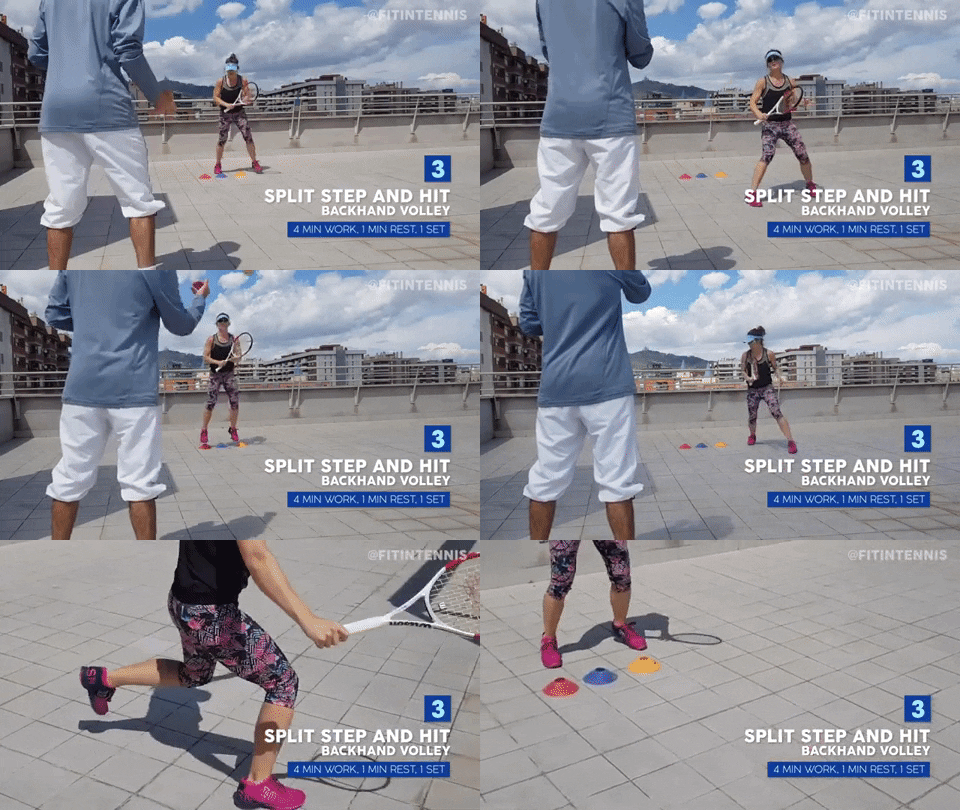
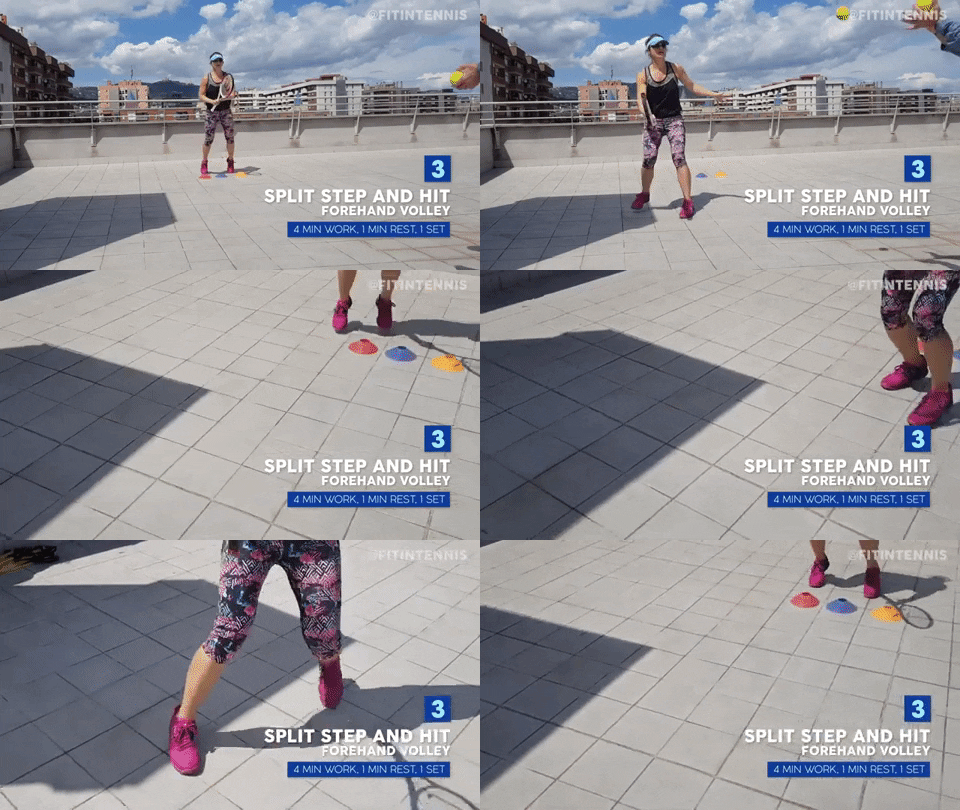
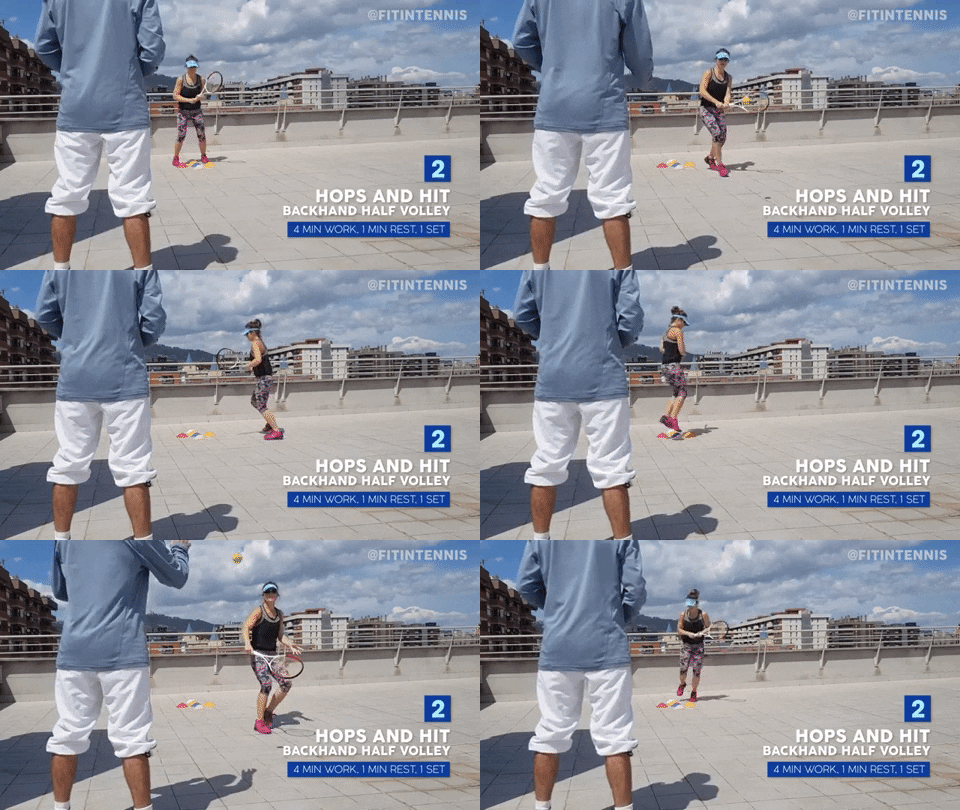
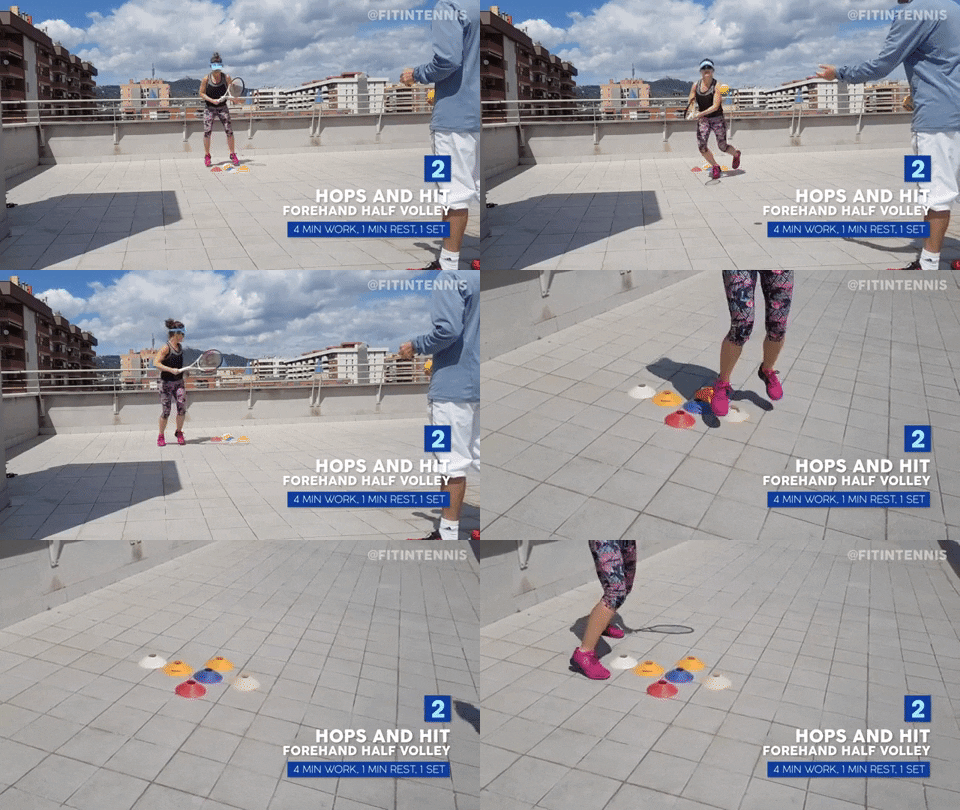
The best way to train and develop your volleys once your foundation is good is practicing with live ball scenario and cooperative play:
Most coaches make the mistake of basket feeding in volley clinics. While this repetition can be helpful, simulating a live point is the best way to train your volley skills. This means that the volley side should always feed to simulate an approach shot. The volley side should also vary where the feeds go and follow that line to the net to also work on footwork, positioning, balance and timing. Standing statically waiting on a floaty basket fed ball creates an environment that is not practical in live point play.
The best way to train is one-on-one with someone around your playing level that also has a desire to improve their volleys. Be sure that the volley side feeds and the baseline player is being cooperative but also trying to win the point. The point of the drill is to create challenging situations and not make a lot of errors. There is a balance of trying to hit out right winners and hitting cream puff balls to each other. You’ll want to play at a speed that you can make 75% of your shots while challenging your training partner.
The volley is about placement. Placement is predicated on racquet face angle, trajectory and swing speed. Be sure to work on hitting volleys cross court, down the line, short, deep as well as receiving balls with underspin, topspin, with various heights and trajectories. Most club pro’s do you a disservice by feeding the exact same no pace, no spin ball which can impede your development. Find another player to train with and use this approach to improve your volleys.
 Find Your Game