
Let’s Get Started Playing Pickleball
The two basic skills to Start Playing Pickleball- Volley and Groundstroke
Beginning pickleball players should focus most of their learning skills on the first 4 shots. The serve, the return, third shot and fourth shot (Volley). To execute these first 4 shots, most players only need to learn two basic skills: Volley and groundstroke.
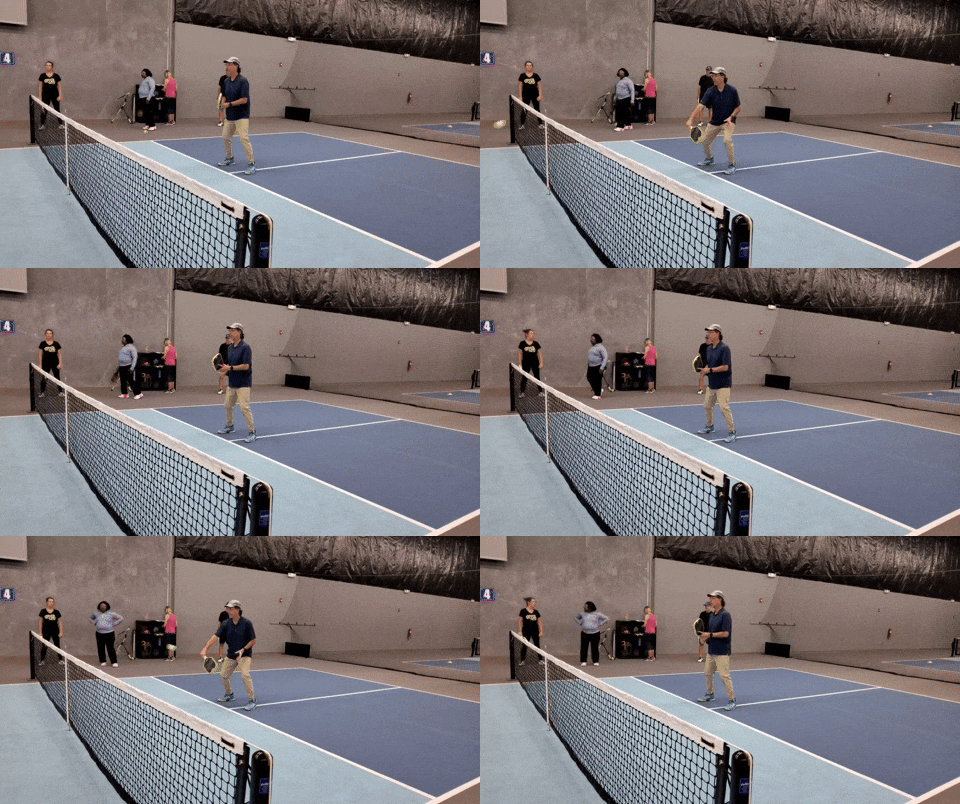
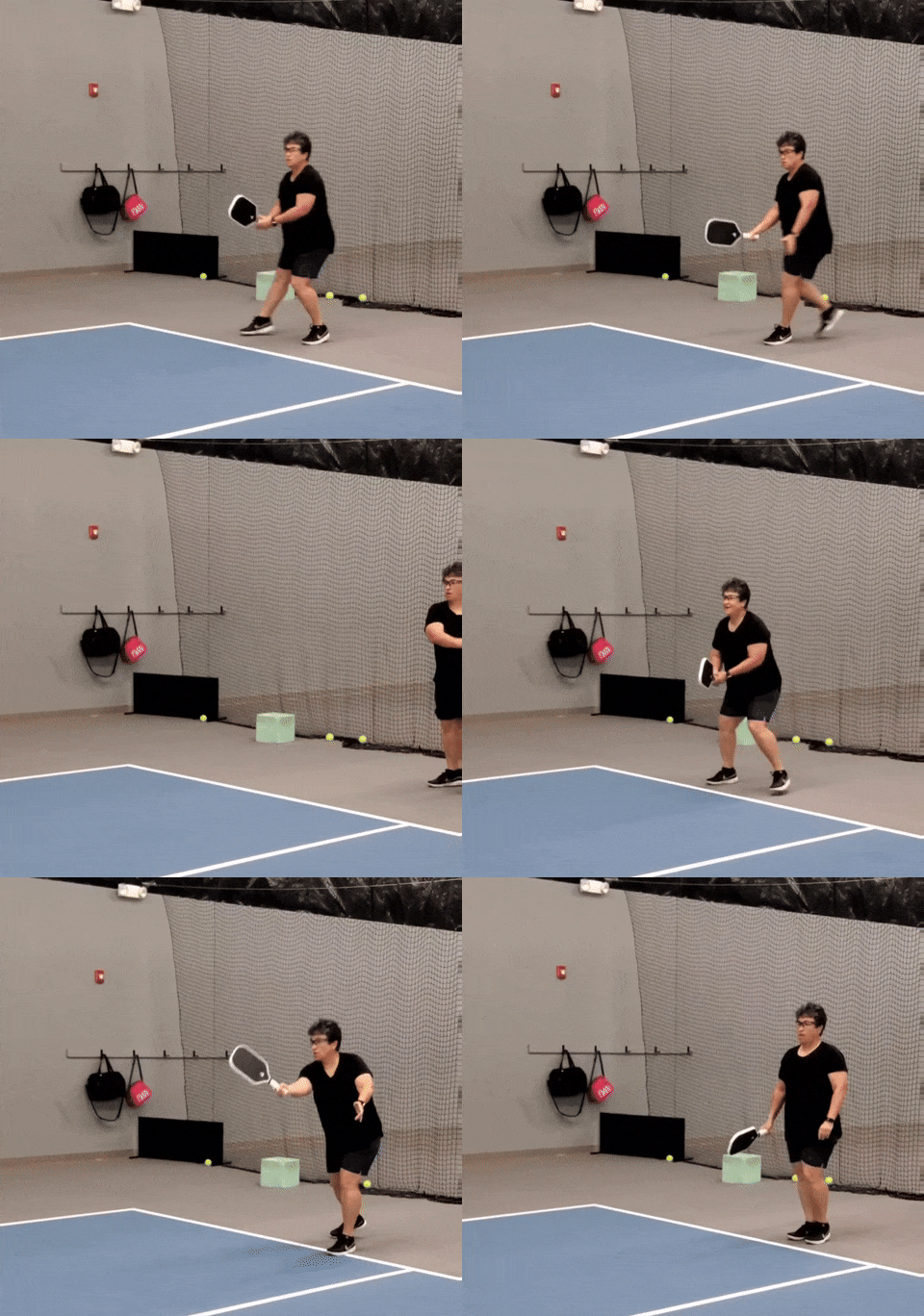
Let’s start start our learning adventure with the volley skill. A volley is when contact is made before the ball bounces on your side. There are three basic motions that players need to learn for the volley: Catching, Arm Raising and arm extending. Start learning the volley with a “Block volley” where you practice just “catching” the ball on your paddle(above). The next progression is to learn the lift volley to control balls below net height. The “lift” is predominantly from the shoulder joint, using the elbow and wrist only to help control the ball.
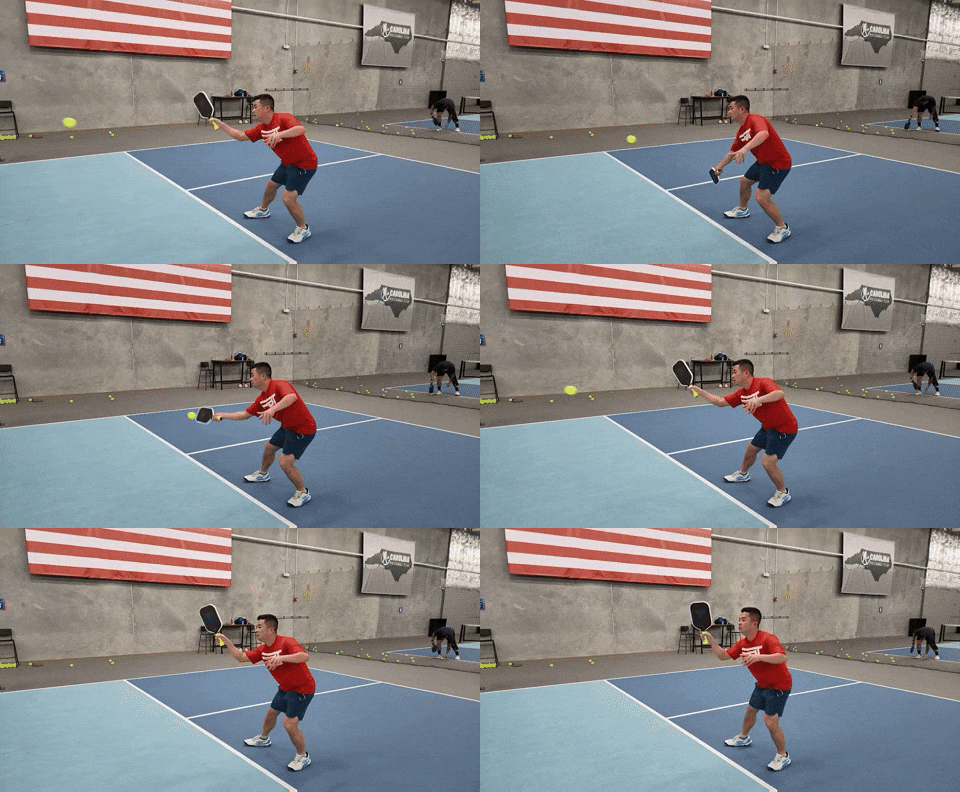
Notice how the swing below, is slightly upward and forward? This adds lift. We often need lift in Pickleball.
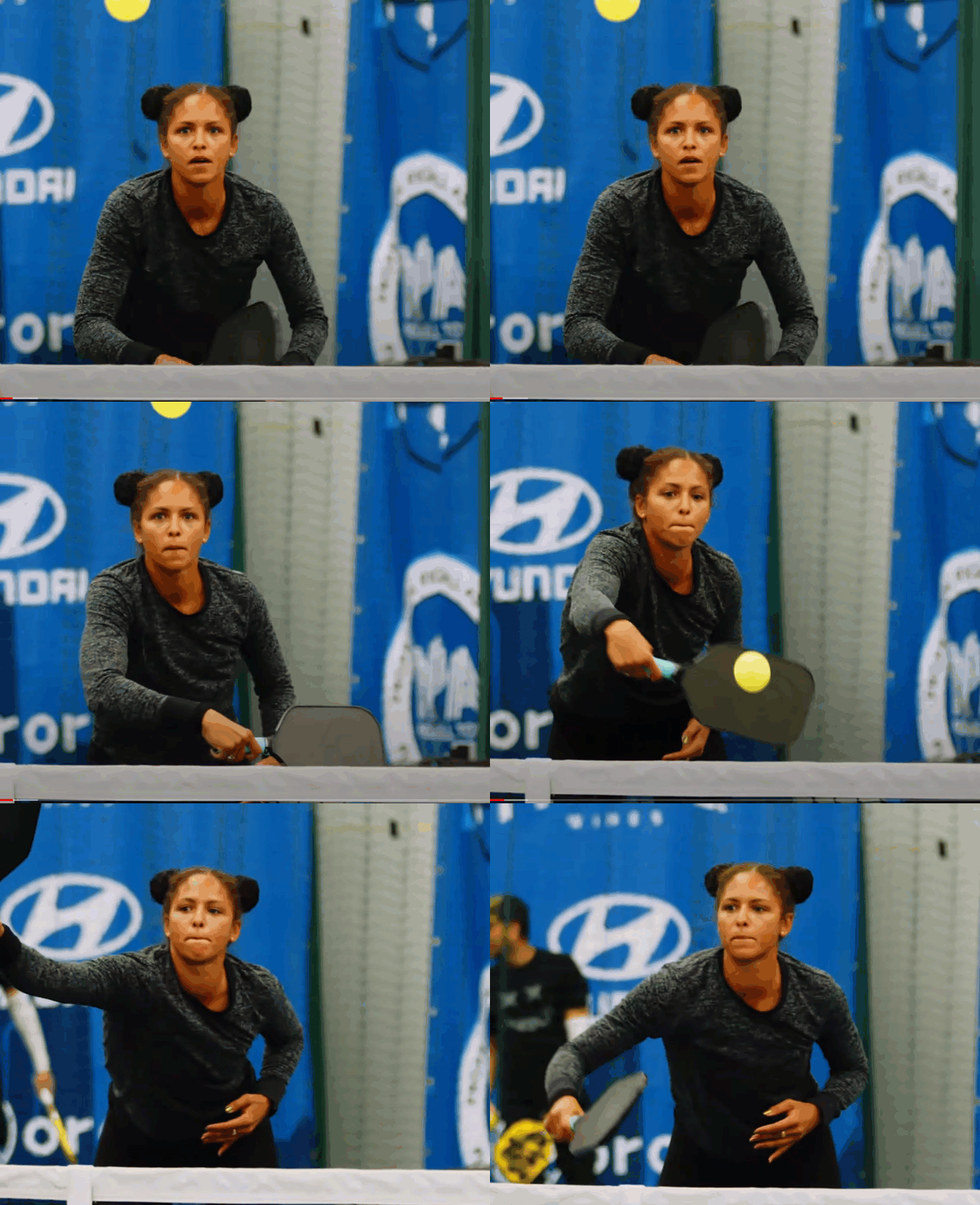

For balls that are above net level, arm extension is used to hit the pickleball in a more linear trajectory. Notice the technique above where the back of the hand is forward and the arm extends forward and upward. This allows you to control the ball to your intended target.
Groundstrokes– the serve, the return of serve (2nd shot) and third shot are all similar skills. You’ll just need to adapt your mechanics for your forehand and backhand and change your grip.
Return of serve is often referred to as a “Return and Run” to make an attempt to move to the non-volley line after your return, stopping at your opponents contact, to asses you movement to receive the fourth ball.

Key Mechanics
The serve is performed from behind the baseline and is executed on a diagonal (Cross Court) and must land beyond the kitchen line and within the sidelines and baseline. The motion needs to be upward and contact must be below the waist. There’s only one try in pickleball per player. For a more detailed explanation click here.
- Upward swing
- Contact in front of the body
- Feet behind baseline
- Contact below waistline
- Paddle facing the target ~4-8 feet above net height


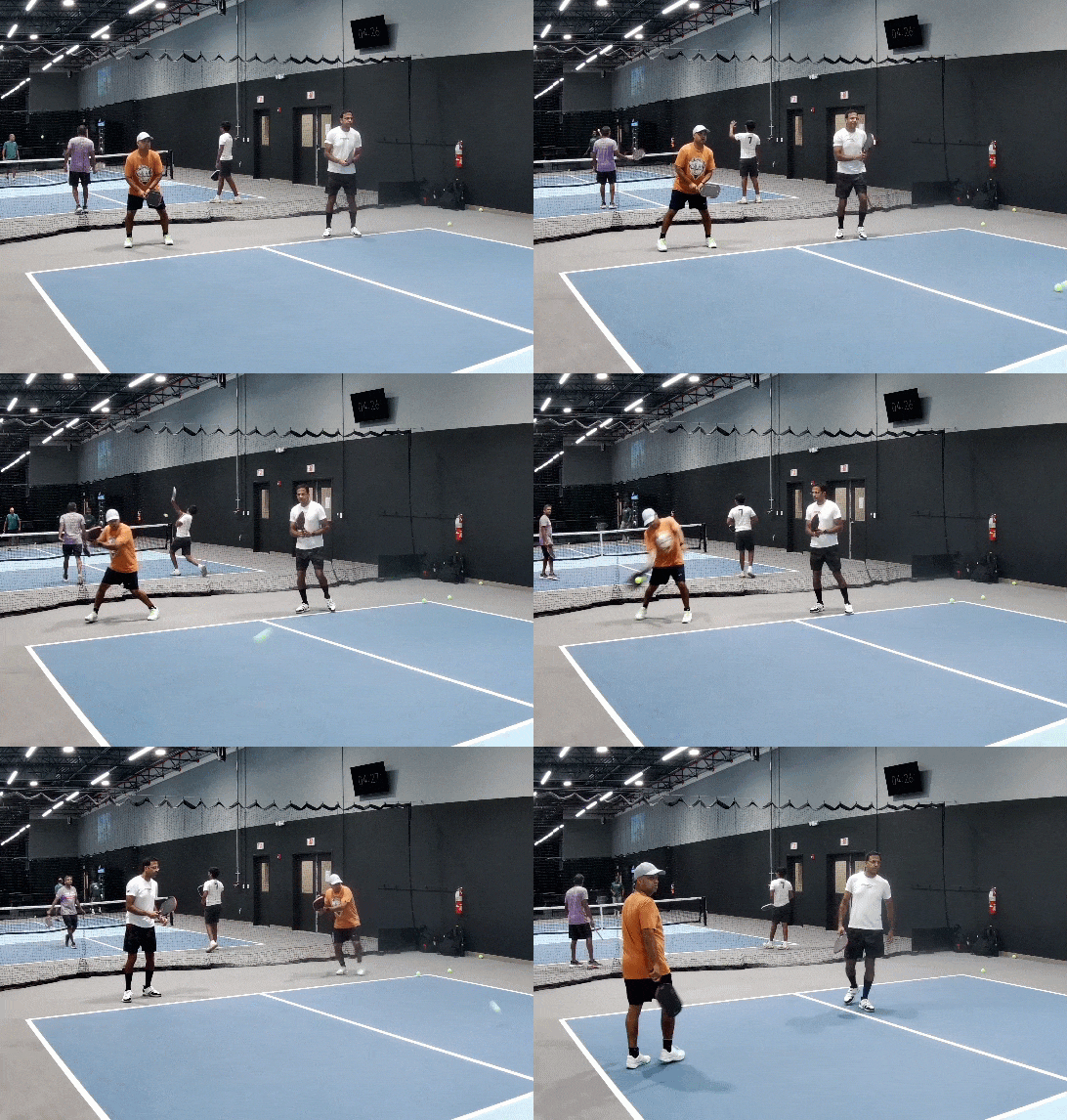
Third Shots – Lobs, drives, drops and drips are terms and tactical shots you’ll want to develop over time. As a beginning player, just try to hit a similar stroke as your serve and return to refine and practice your groundstroke skill. Over time, you will add new skills to help you win more points and play more competitively. Notice the player below in the foreground is using similar technique (groundstrokes) on their 3rd, 5th, 7th, 9th shots and trying to advance foreward.
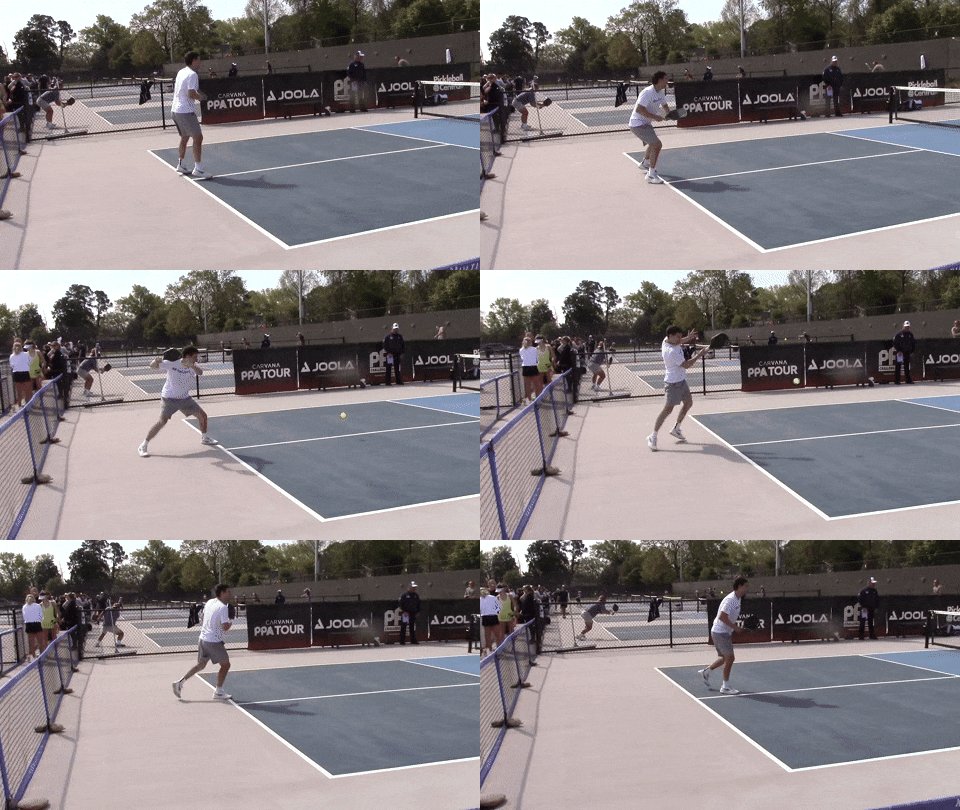
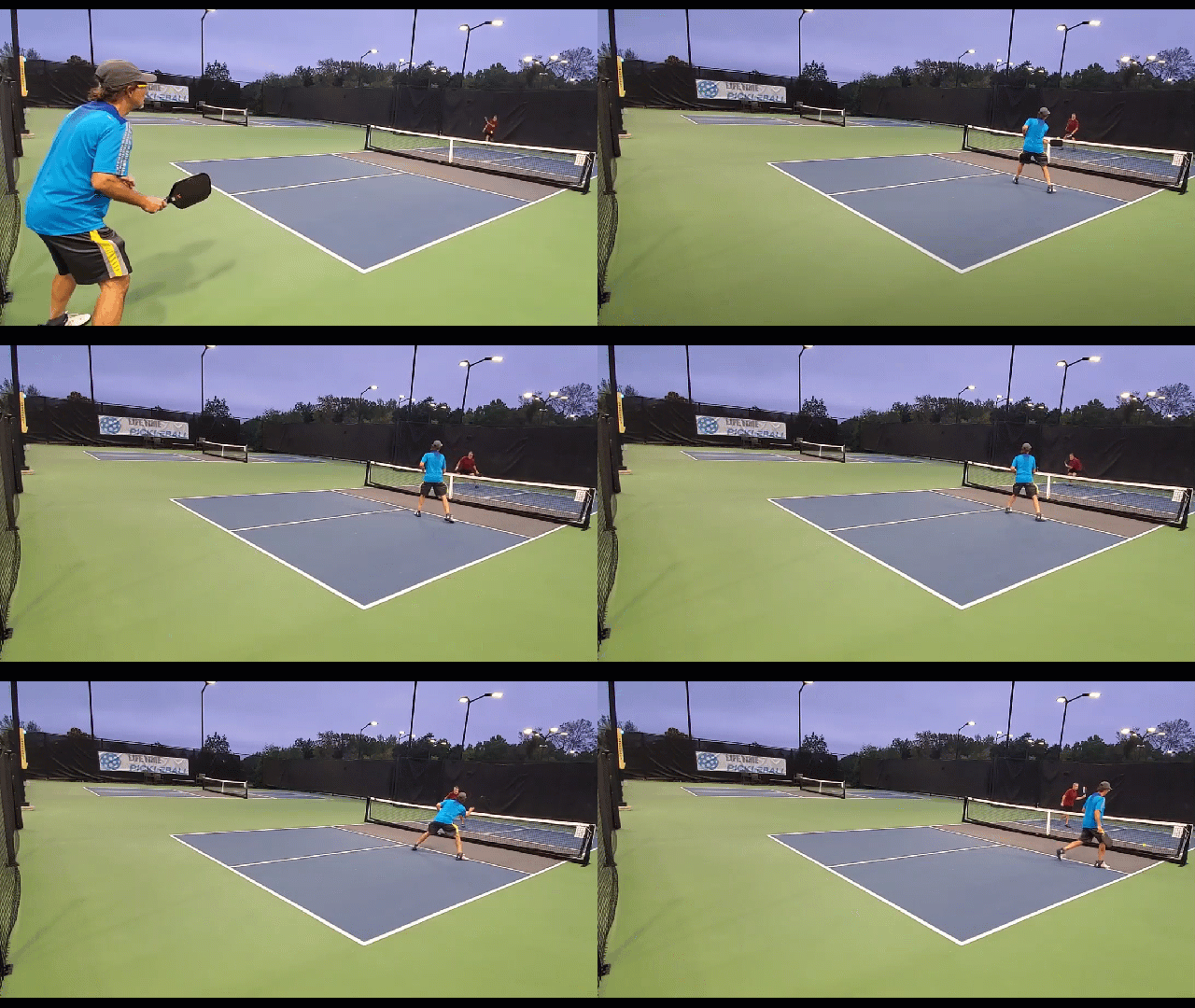
Once at the net, you’ll try to maintain your premium position by keeping your serving opponent back at the baseline by hitting you volleys deep.
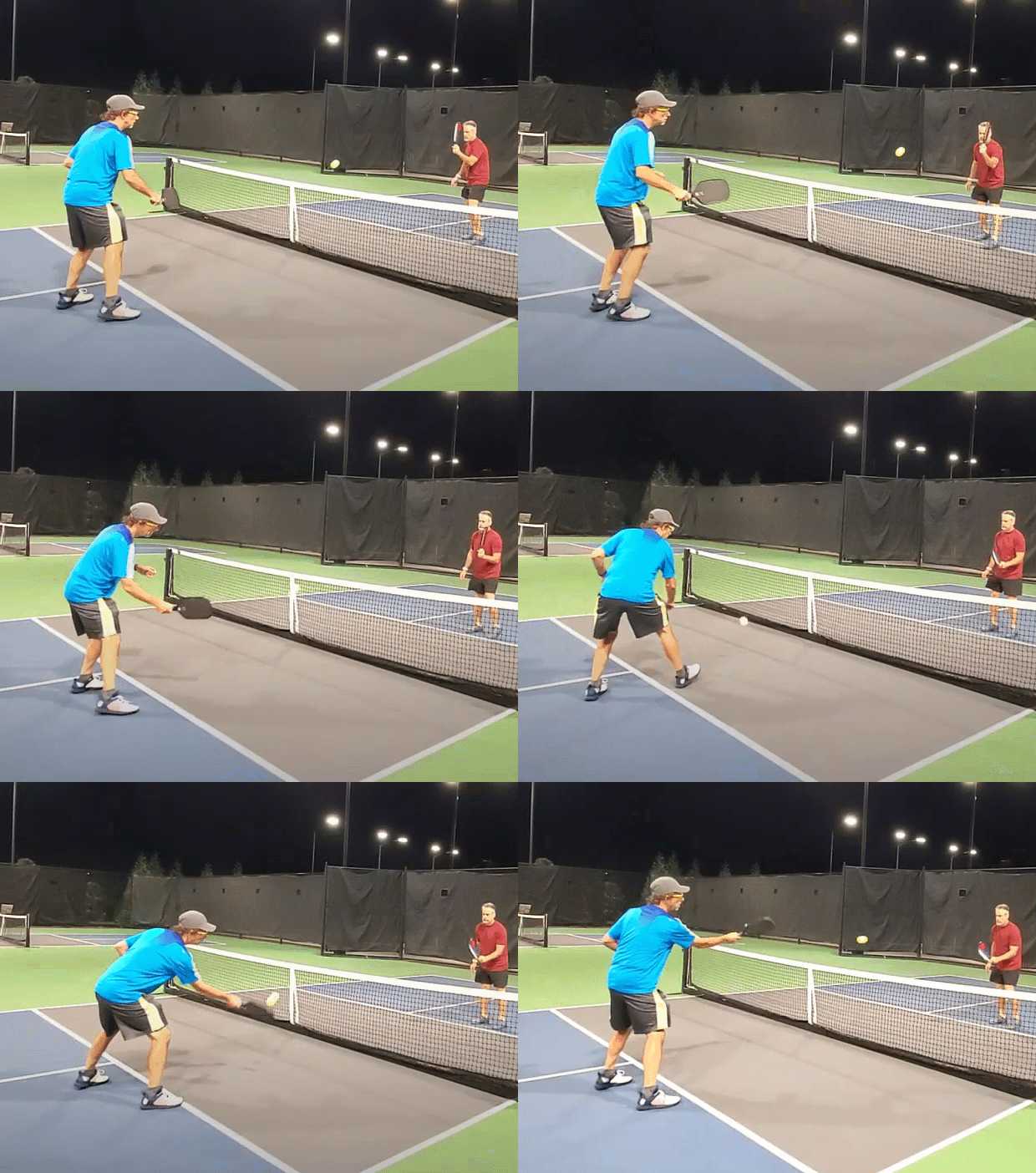
Dinking and net play- The serving team should attempt to drop the ball in the non-volley zone or drive low and transition, as a team to the non-volley zone. Once all 4 players are at the kitchen line it is common to engage in a 4 person net exchange. Quality dinking is an important skill to win these battles. The lower and deeper (near feet) the better chance to receive a pop up and put away. Don’t ignore lobs and speed ups when an opportunity arises. It is important to reset to ready position quickly after each shot. Be sure to drop the paddle tip, below the level of the ball as you are “receiving” it, then push upwards with the paddle face pointing towards the top of the fence. Move the handle and the tip at the same rate and trajectory, to avoid the tip flipping on you.

The Basics – Game Rules
- Serving always starts from the right, if the serving team scores a point, they switch to the adjacent side and play continues. Continue switching when points are scored. If the serving teams faults, the second player serves from their position at that time and they continue serving and switching sides if points are won. At the time of the fault, the serving side changes. The only exception is the very first point of a game, the serving team only gets one serve rotation.
- Must serve underhand from behind the baseline, cross court, into the service area past the kitchen. The serve can be hit out of the air as long as it is below the waist and in an upward motion. You can also drop, bounce and hit the ball as long as you don’t propel the ball downwards.
- Only the serving team can score points.
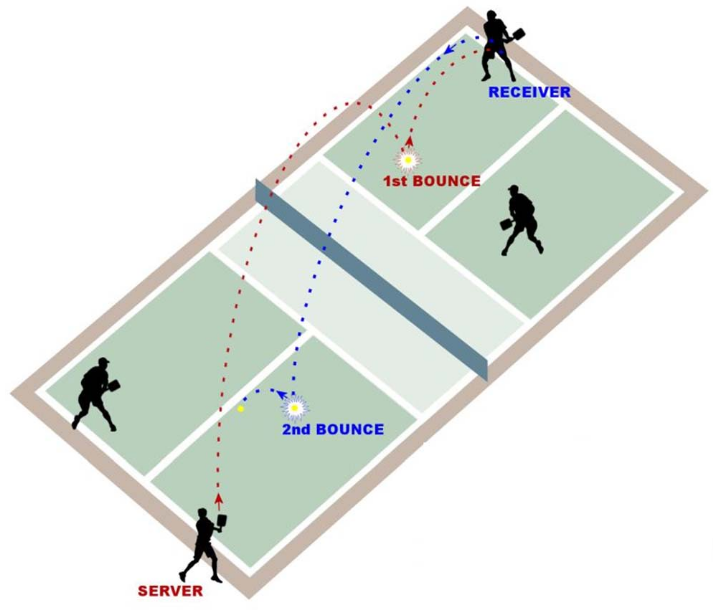
- After the serve, the receiving team must let the ball bounce, then the serving team must let that return bounce before hitting. (2 bounce rule), After that, the ball my be volleyed (hit in the air) or off the bounce
- A player cannot strike the ball in the kitchen (feet) unless the ball bounces first. Additionally, the player cannot go into the kitchen after striking the ball (momentum rule)
- Generally, the serving team starts two back and the returning team starts one up (returners partner) and one back (returner)

- Game is played to 11, win by 2.
- The score is a series of 3 numbers – serving team score, receiving team score, server #1 or #2. For example, 7-3-2 means serving team has 7 points, opposing team has 3 points and the second server is about to serve.
- A ball contacting any part of any line, except the non-volley zone line on a serve, is considered “in.”
- The ball can only bounce once, the ball can be hit around the net post (ATP),
 Find Your Game